8622 - Musculocutaneous nerve (superficial peroneal)-Neuritis
DBQ: Link to Index of DBQ/Exams by Disability for DC 8622
Definition
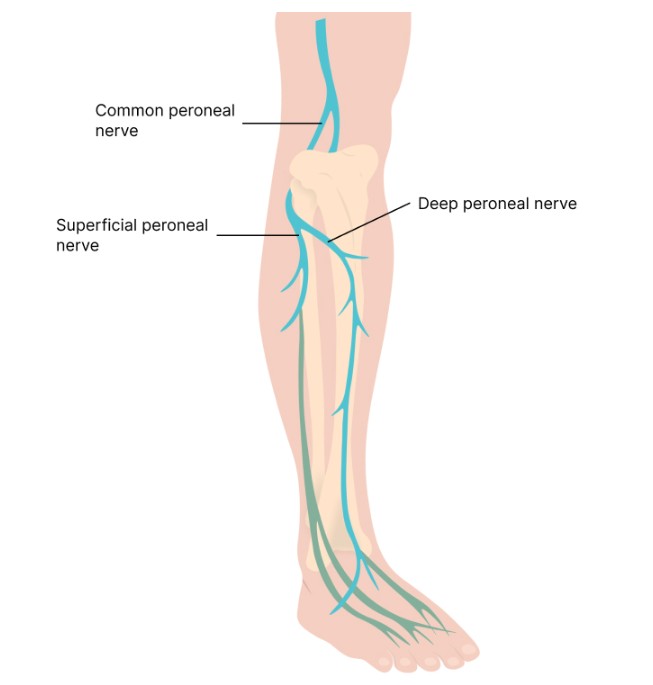
Neuritis refers to an inflammation of a nerve accompanied by pain and tenderness, anesthesia and paresthesia, paralysis, wasting, and disappearance of the reflexes. This diagnostic code refers to the musculocutaneous nerve of the leg, known as the superficial peroneal, which is a mixed sensory and motor nerve. The superficial peroneal innervates the peroneus longus muscle of the lower leg and terminates as a sensory branch supplying the dorsum of the foot.
Etiology
Pressure injury may cause neuritis. Some activities that may cause peroneal injury are: casts that are not padded properly, severe fibula fracture, anterior compartment syndrome, and diabetic mononeuropathy.
Signs & Symptoms
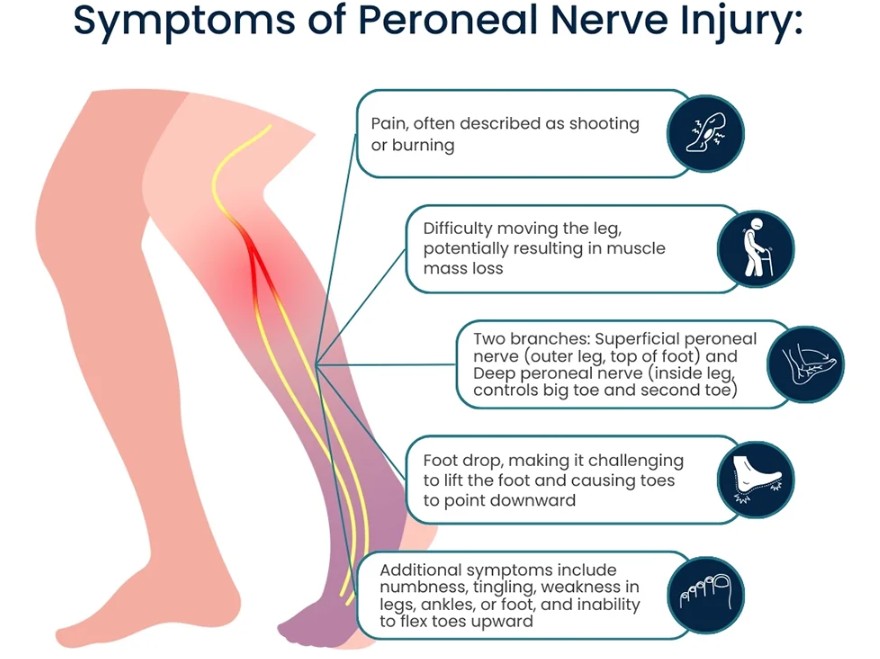
Signs and symptoms may include: inversion of the foot, sensory loss and pain to midpoint of the lateral calf, and trophic changes in the leg and foot.
Tests
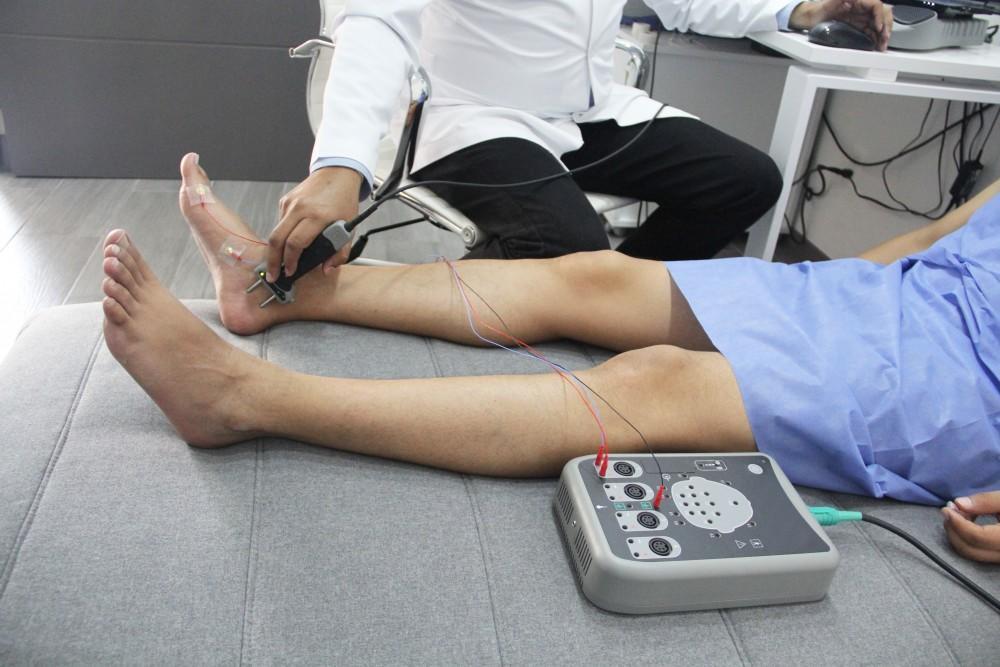
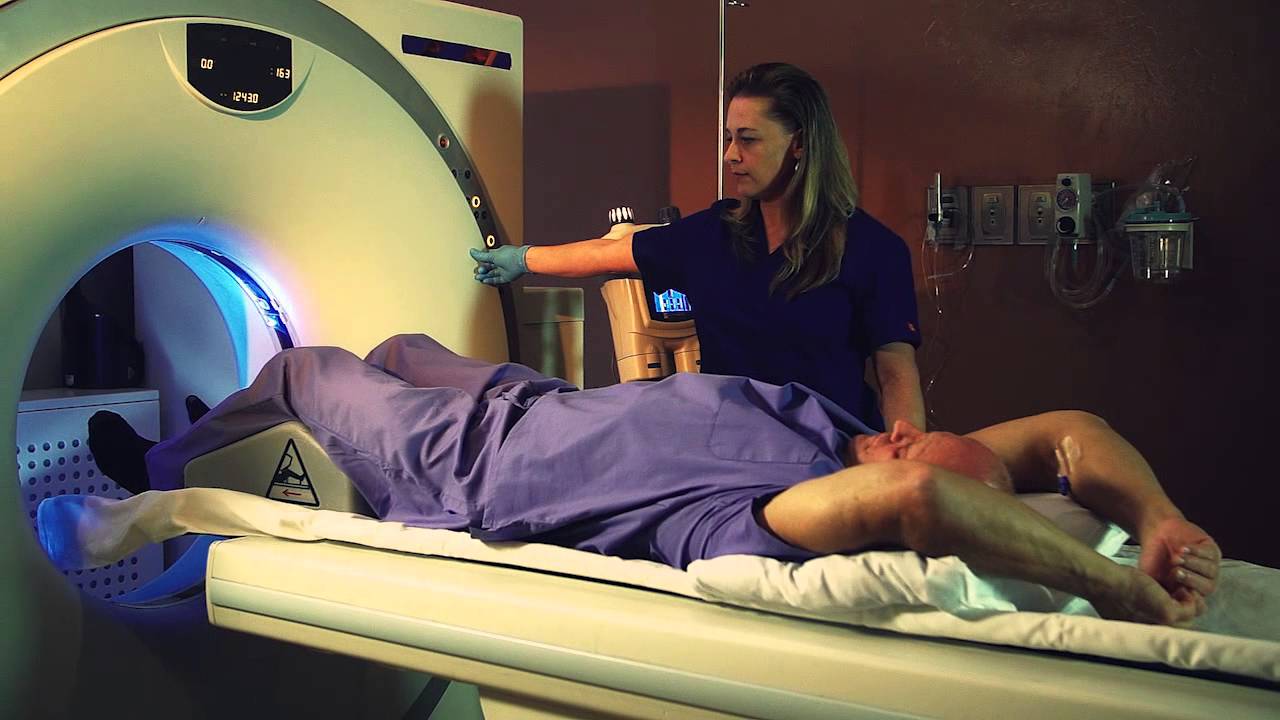
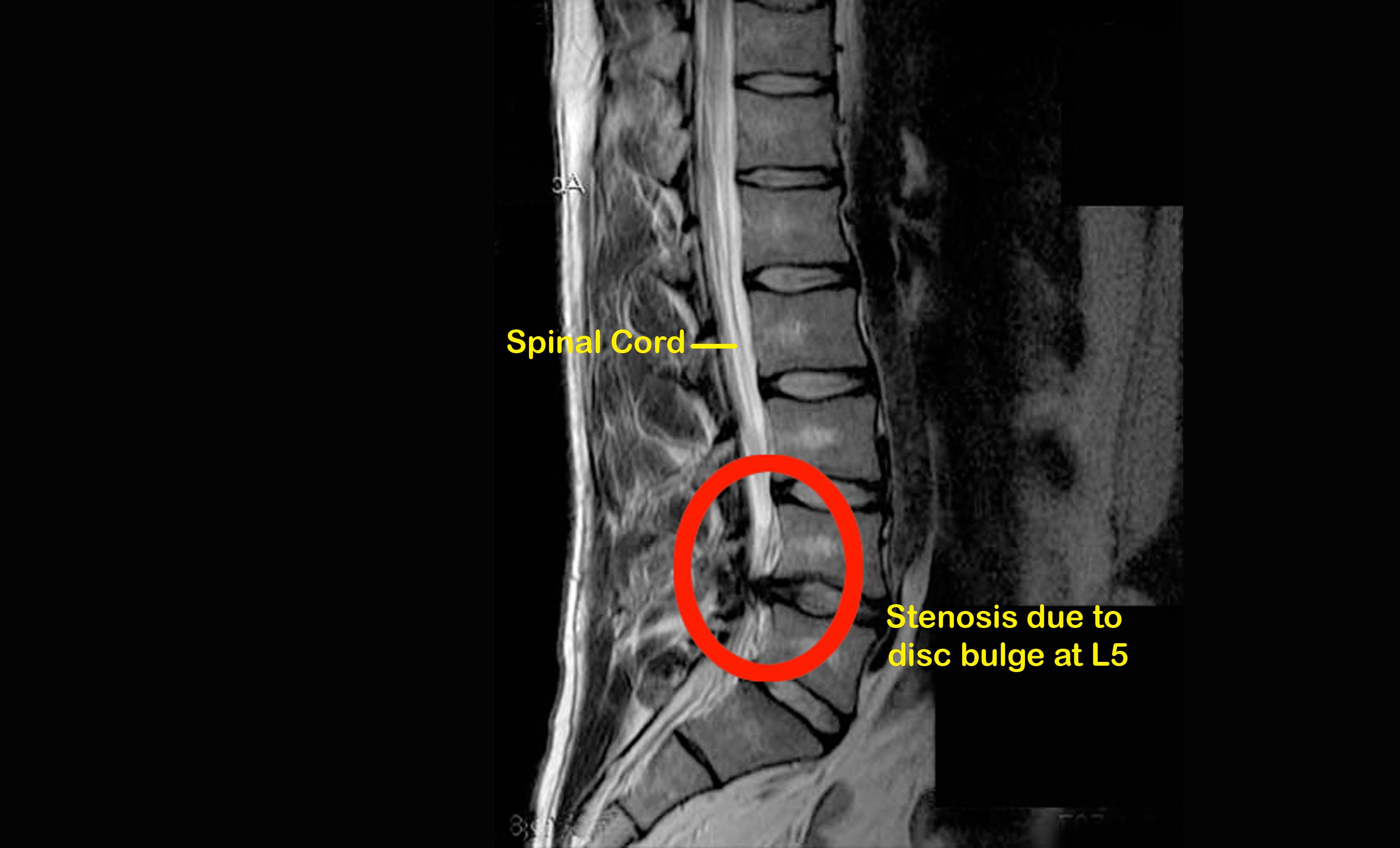
Peripheral nerve examination may include: needle electromyography (EMG) and nerve conduction studies; computed tomography (CT) scan; magnetic resonance imaging (MRI); muscle-strength testing; deep tendon reflexes (DTR); sensory testing; and gait examination.
Treatment
Generally, the nerve in mild stretch or compression injuries recovers spontaneously. An exception is chronic peroneal compression at the fibular head because fibrosis retards nerve regeneration. Patients should avoid extended leg crossing, prolonged sitting on a toilet, or using unusual positions, such as yoga sitting. The usual treatment consists of a splint that supports the ankle and the foot, and range of motion (ROM) exercises. If the nerve does not show signs of regeneration, it may have to be explored and freed from adhesions.
Residuals
Splinting, should be used as long as voluntary activity is impaired.
Special Considerations
-
If the Veteran is a former prisoner of war and was interned or detained for not less than 30 days, this disease shall be service connected if manifest to a degree of disability of 10% or more at any time after discharge or release from active military, naval, or air service even though there is no record of such disease during service, provided the rebuttable presumption provisions of 38 CFR 3.307 are also satisfied [38 CFR 3.309(c) Disease subject to presumptive service connection].
-
If the Veteran was exposed to an herbicide agent during active military, naval, or air service, this disease shall be service-connected if the requirements of 38 CFR 3.307(a)(6) are met even though there is no record of such disease during service, provided further that the rebuttable presumption provisions of 38 CFR 3.309(e). Disease subject to presumptive service connection.
-
Consider potential entitlement to special monthly compensation for loss of use of hand or foot when assigning the higher evaluations under particular Diagnostic Codes (e.g., Diagnostic Code 8510 through 8515, 8520, and 8521).
- This disability shall be granted service connection although not otherwise established as incurred in or aggravated by service if manifested to a compensable degree within the applicable time limits under 38 CFR 3.307 following service in a period of war or following peacetime service on or after January 1, 1947, provided the rebuttable presumption provisions of 38 CFR 3.307 are also satisfied. 38 CFR 3.309(a)
Notes
-
Neuritis, cranial or peripheral, characterized by loss of reflexes, muscle atrophy, sensory disturbances, and constant pain, at times excruciating, is to be rated on the scale provided for injury of the nerve involved, with a maximum equal to severe, incomplete, paralysis. See nerve involved for diagnostic code number and rating. The maximum rating which may be assigned for neuritis not characterized by organic changes referred to in this section will be that for moderate, or with sciatic nerve involvement, for moderately severe, incomplete paralysis. 38 CFR 4.123 Neuritis, cranial or peripheral.
-
With the exceptions noted, disability from the following diseases and their residuals may be rated from 10 percent to 100 percent in proportion to the impairment of motor, sensory, or mental function. Consider especially psychotic manifestations, complete or partial loss of use of one or more extremities, speech disturbances, impairment of vision, disturbances of gait, tremors, visceral manifestations, etc., referring to the appropriate bodily system of the schedule. With partial loss of use of one or more extremities from neurological lesions, rate by comparison with the mild, moderate, severe, or complete paralysis of peripheral nerves] 38 CFR 4.124a Schedule of ratings—neurological conditions and convulsive disorders.